
1. Start With a Pre-Surgical Exam
Before any procedure, your veterinarian will perform a full physical exam to make sure your pet is healthy enough for anesthesia.
This includes:
Bloodwork to assess organ function
A review of medical history
Weight and vital checks
This step helps identify any hidden risks and ensures your pet is as safe as possible during surgery and anesthesia.
2. Follow Fasting Instructions Carefully
Most surgeries require your pet to fast beforehand.
Typically:
No food after midnight the night before
Water may be allowed until the morning (your vet will confirm)
Fasting reduces the risk of complications during anesthesia, so it's important not to skip this step even if your pet gives you those "hungry eyes."
3. Plan for a Calm Drop-Off
The morning of surgery can feel stressful, but keeping things calm helps your pet too.
A few tips:
Give yourself extra time so you're not rushed
Bring your pet's leash or carrier for comfort and safety
Keep your energy relaxed - pets pick up on it more than you think
Some pets benefit from some mild oral sedatives given at home to help ease the stress of coming into the hospital. If you feel your pet can benefit, please inquire with your veterinarian
Your veterinary team will walk you through everything again at drop-off so you feel fully prepared.
4. Understand the Procedure and Aftercare
Before surgery, your vet should clearly explain:
What the procedure involves
Any potential risks
What recovery will look like
Don't hesitate to ask questions. A good veterinary team will always take the time to make sure you feel informed and comfortable.
5. Prepare Your Home for Recovery
Recovery starts the moment your pet comes home.
Set up a quiet, comfortable space where they can rest without too much movement. Depending on the procedure, you may need:
Limited activity or crate rest
An e-collar to prevent licking
Medication for pain management
6. So... How Long Is Recovery After Surgery?
This depends on the type of procedure, but here's a general idea:
Minor procedures: a few days to a week
Spay/neuter or soft tissue surgery: 10 to 14 days
Orthopedic procedures: several weeks to a few months
Your vet will give you a detailed timeline and follow-up plan based on your pet's specific needs.
7. Watch for Signs That Need Attention
Most pets recover smoothly, but it's important to monitor for:
Excessive swelling or redness
Loss of appetite beyond 24 hours
Lethargy that seems unusual
Any discharge from the incision site
If anything feels off, it's always better to check in.
8. Lean on Your Vet Team for Support
Surgery isn't just a one-day event - it's a process.
From pre-op prep to post-op recovery, your veterinary team should be there to guide you every step of the way, answer questions, and adjust care if needed.
Choosing the Right Veterinary Team in Toronto
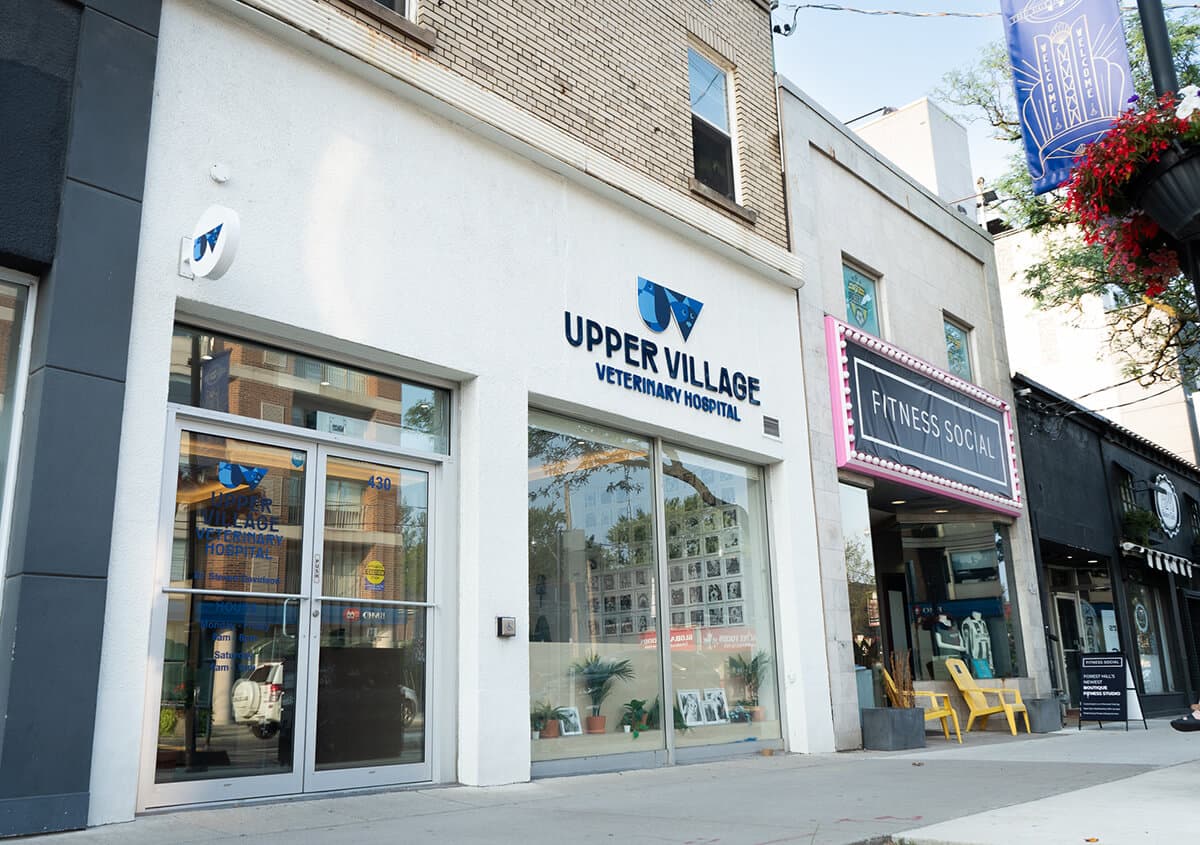
If you're looking for pet surgery near me Eglinton, it's important to choose a clinic that prioritizes both medical excellence and compassionate care.
At Upper Village Veterinary Hospital, we focus on:
Thorough pre-surgical assessments
Careful monitoring throughout the procedure
Clear, transparent communication with pet owners
Ongoing support during recovery
If your pet needs surgery or you're simply looking for guidance, our team is here to help you feel confident every step of the way.
? You can learn more or request an appointment here: